

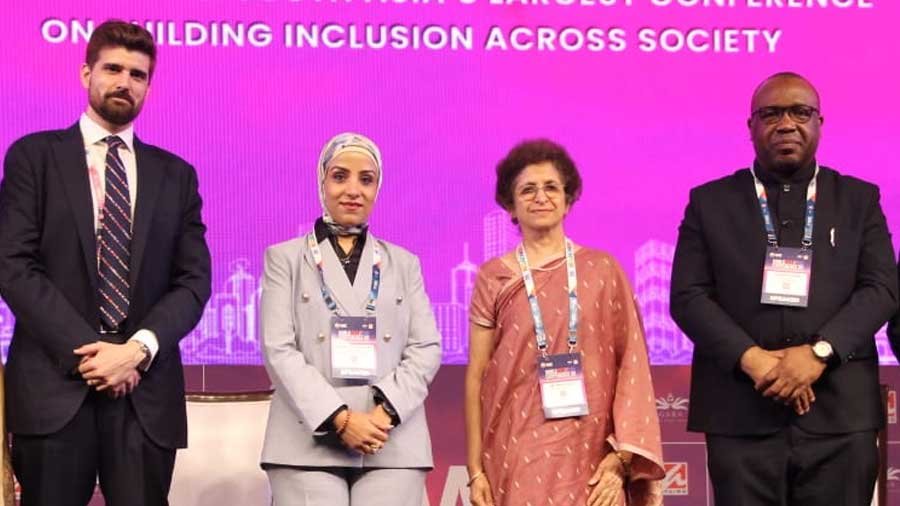
Can internationalisation truly be considered successful if it leaves behind the very communities it seeks to empower? That was the central question that shaped the Diplomatist-curated session, “The Diplomatic Dialogue on Global Learning, Equity & Internationalisation,” at the World Inclusion Conference India 2026.
Moderated by Mr. Kent Oliver Bhupati, Economist and Founder of Market Theory, the discussion brought together distinguished voices from diplomacy, international organisations and academia to examine how education can become more inclusive, equitable and globally connected.
Rather than focusing solely on student mobility or international rankings, the dialogue explored deeper questions of fairness, accessibility, digital inclusion and the role of education as an instrument of diplomacy.
From Global Commitments to National Action
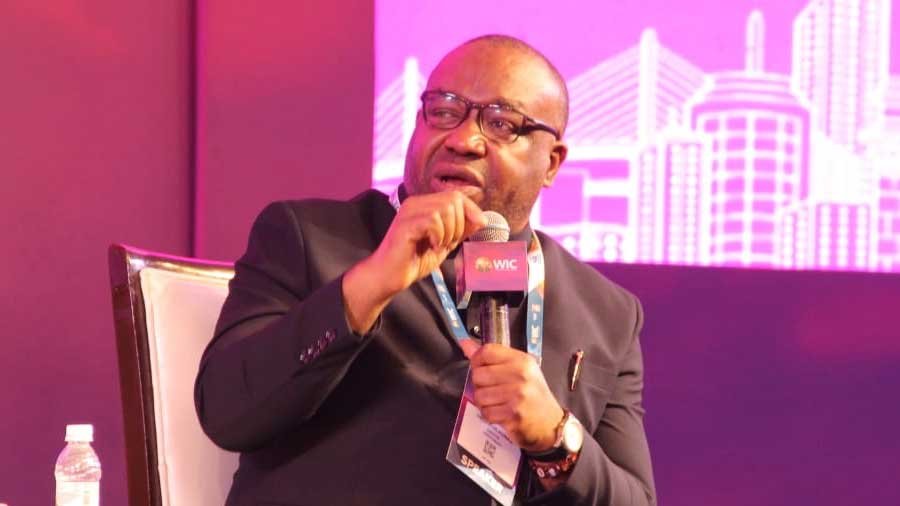
Opening the interactive discussion, Chair Kent Oliver Bhupati turned to Dr. Obijiofor Aginam, Director of the UNESCO Mahatma Gandhi Institute of Education for Peace and Sustainable Development (MGIEP), asking how governments and universities could translate international commitments on education and inclusion into measurable outcomes.
Dr. Aginam acknowledged that global declarations often carry ambitious aspirations, but their implementation is far more complex. Negotiating international agreements among 193 UN Member States, he noted, requires balancing diverse political, cultural and economic priorities, often resulting in compromises.
Reflecting on recent global negotiations, he referred to the lessons from the COVID-19 pandemic and the lengthy discussions surrounding international cooperation on pandemic preparedness. While global institutions create frameworks for cooperation, he stressed that real change depends on national governments adopting and implementing those commitments.
“There is nothing wrong with the language of Sustainable Development Goal 4. It speaks of inclusive, equitable and lifelong learning opportunities for all. The challenge is translating those international commitments into national policies that make a real difference.”
He reminded the audience that learning extends far beyond classrooms.
“Learning is a lifelong endeavour. It happens in our homes, our communities and throughout our lives, not only in schools.”
His message was clear: international frameworks provide direction, but meaningful inclusion ultimately depends on political will, institutional capacity and sustained national action.
India’s Growing Role in Global Education
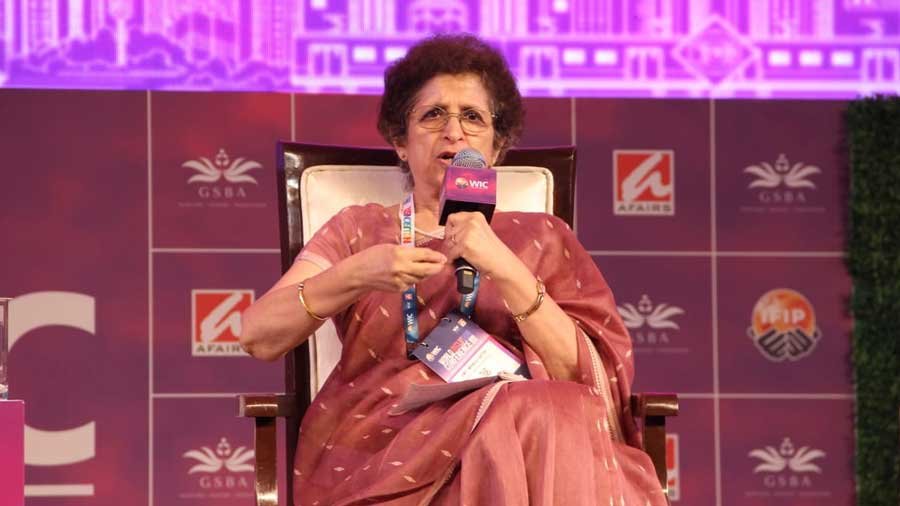
Building on that discussion, the chair invited Ambassador Manju Seth, former Ambassador of India to Madagascar and Comoros, to reflect on India’s growing prominence as a destination for international education and where the country’s greatest opportunities lie in advancing inclusive global learning.
Ambassador Seth responded by expanding the definition of diplomacy itself.
“Every individual is an ambassador of their own country. Policies may be framed by governments, but it is educational institutions, teachers and students who truly bring those policies to life through people-to-people connections.”
She argued that educational diplomacy succeeds because it builds lasting human relationships that extend well beyond official government engagement.
While recognising the importance of multilateral institutions, Ambassador Seth also observed that implementing international agreements often remains a challenge.
Drawing from her own diplomatic experience in France, she shared an anecdote that highlighted how outdated perceptions about India still persist internationally. A student once asked her how India managed its growing economy “when there were elephants on the roads.”
The experience, she said, reinforced the importance of educational exchanges in breaking stereotypes.
“Sometimes the biggest gap is not infrastructure—it is perception. When students experience India first-hand, those misconceptions disappear.”
She pointed to India’s strengths in management education, information technology, research collaborations, telemedicine, healthcare and digital innovation as areas offering tremendous potential for deeper international partnerships.
Ambassador Seth also described Artificial Intelligence as both an opportunity and a responsibility.
“AI is certainly a challenge, but it is also a tremendous opportunity. How we use it will determine whether it becomes a bridge or a barrier.”
Academic Diplomacy Beyond Rankings
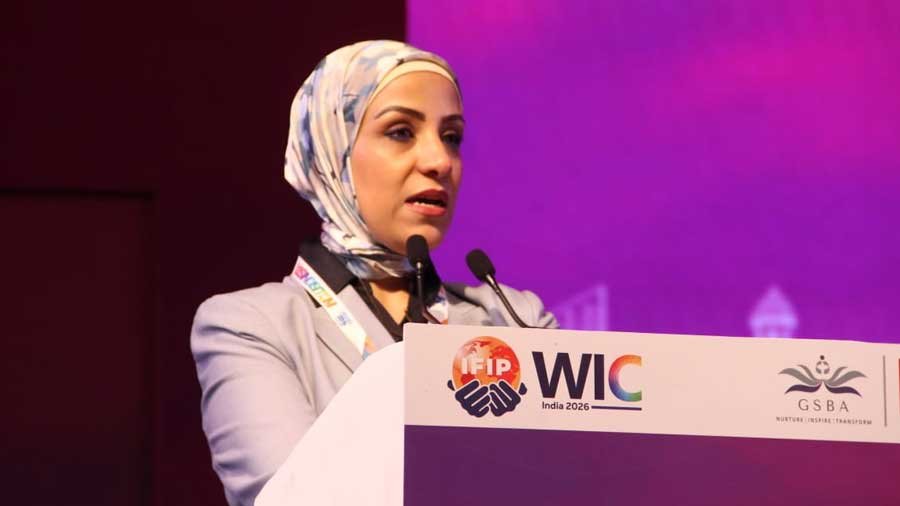
The conversation then shifted to the role of universities in shaping international cooperation.
Chair Kent Oliver Bhupati posed a question to Prof. Hebatallah Adam, Professor of Economics at O.P. Jindal Global University and Founder & President of the Global South Research Foundation, asking where inequalities continue to exist within international academic cooperation from the perspective of the Global South.
Prof. Adam argued that while internationalisation has expanded dramatically, the greatest inequality today lies not in physical mobility but in digital access.
As universities increasingly move towards online teaching, virtual classrooms and global digital programmes, millions of learners still lack reliable internet connectivity, digital infrastructure and access to technology.
“The future of higher education is increasingly digital. If learners cannot access the internet or the necessary technology, they risk being excluded from global education altogether.”
She cautioned that bridging this divide requires much more than providing devices.
Investment in telecommunications infrastructure, digital literacy and long-term institutional capacity, she argued, will be essential if developing countries are to participate fully in the future of international education.
“Inclusive academic diplomacy requires global cooperation to ensure equitable access to technology, digital infrastructure and opportunities for every learner.”
A Shared Vision for Inclusive Global Learning
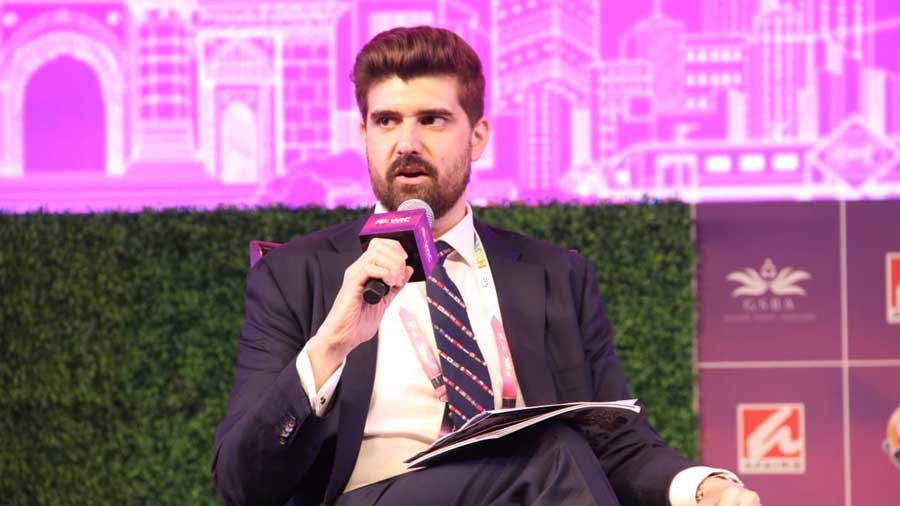
Bringing the discussion to a close, moderator Kent Oliver Bhupati reflected on the recurring themes that had emerged throughout the conversation.
Internationalisation, he observed, should not be measured merely by the number of international students or institutional partnerships, but by the opportunities it creates and the quality of participation it enables.
“Inclusive global education requires accessible technology, supportive institutions, equitable partnerships and sustained cooperation between governments, universities and communities.”
The dialogue concluded with a shared understanding that education has become one of the most powerful instruments of international cooperation. Whether through diplomacy, universities or multilateral institutions, the future of global learning will depend on ensuring that knowledge, opportunity and innovation are shared more equitably.
More importantly, the session highlighted that internationalisation is no longer simply about crossing borders; it is about removing barriers. True global education is achieved not when a few learners gain access to opportunities abroad, but when every learner, regardless of geography or circumstance, has the opportunity to participate, contribute and thrive.


Leave a Reply