

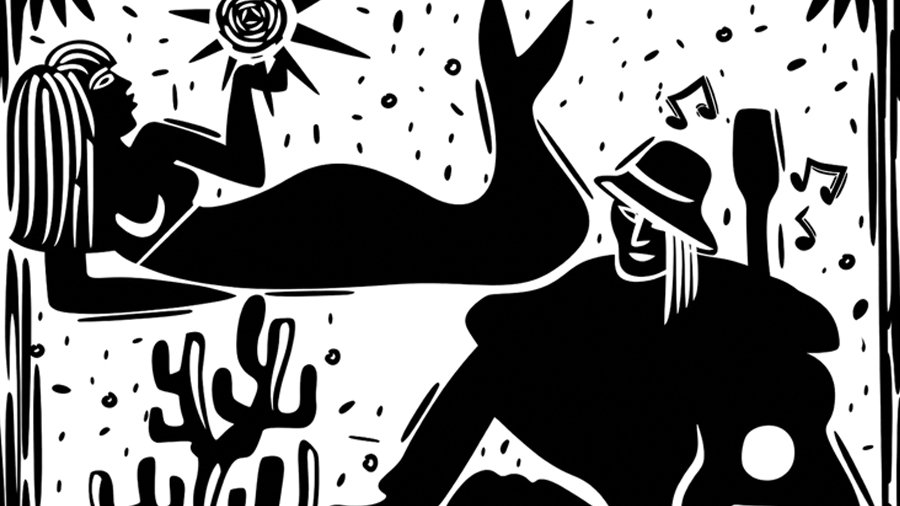
In the bustling markets of Brazil’s Northeast, stories don’t just live in books; they hang in the air. Quite literally. Known as Literatura de Cordel, these small, illustrated booklets are traditionally displayed on strings, inviting passersby into worlds of folklore, satire, and social commentary. Rooted in oral traditions and shaped by the rhythms of everyday life, Cordel literature is one of Brazil’s most vibrant yet lesser-known cultural expressions.
Stories for the People
Cordel emerged as a voice of the common people, accessible, affordable, and deeply relatable. Written in verse and often performed aloud, these narratives blend humour with critique, myth with reality. From heroic tales to political satire, Cordel has long served as both entertainment and subtle resistance.
Art in Simplicity
What sets Cordel apart is its visual identity. The covers, typically created using woodcut prints, are stark yet striking: each one telling a story before the first line is even read. This fusion of text and image transforms each booklet into a piece of folk art.
A Culture That Adapts
While rooted in tradition, Cordel has evolved with time. Today, it addresses contemporary themes: urban life, migration, even global politics, proving that cultural heritage need not be static. It continues to thrive not just in markets, but also in classrooms, festivals, and digital spaces.
Why It Matters
In a world dominated by fast media, Cordel literature stands as a reminder of the power of simple storytelling. It reflects the voice of communities often left unheard, aligning closely with the broader ethos of the Global South: resilient, expressive, and deeply connected to lived realities.


Leave a Reply