

Economic cooperation has emerged as one of the strongest pillars of the India–Viet Nam relationship. What began as a modest trading partnership has evolved into a dynamic and diversified economic engagement, reflecting the growing strategic trust between the two countries. Today, India and Viet Nam are not merely important trading partners; they are increasingly viewed as complementary economies capable of jointly contributing to resilient regional supply chains and sustainable economic growth.
The Joint Statement issued during the visit set an ambitious target of raising bilateral trade to USD 25 billion by 2030, building on the remarkable milestone of over USD 16.4 billion in bilateral trade recorded in 2025. The new target reflects not only confidence in the economic relationship but also a shared vision for broadening cooperation beyond traditional sectors into the digital economy, innovation, agriculture, and advanced manufacturing.
A Decade of Steady Growth
Since the establishment of the Comprehensive Strategic Partnership in 2016, bilateral trade has witnessed consistent expansion. Despite disruptions caused by the COVID-19 pandemic and global geopolitical uncertainties, commercial ties have remained resilient, underpinned by strong political relations, expanding business confidence, and the advantages offered by the ASEAN–India Trade in Goods Agreement (AITIGA).
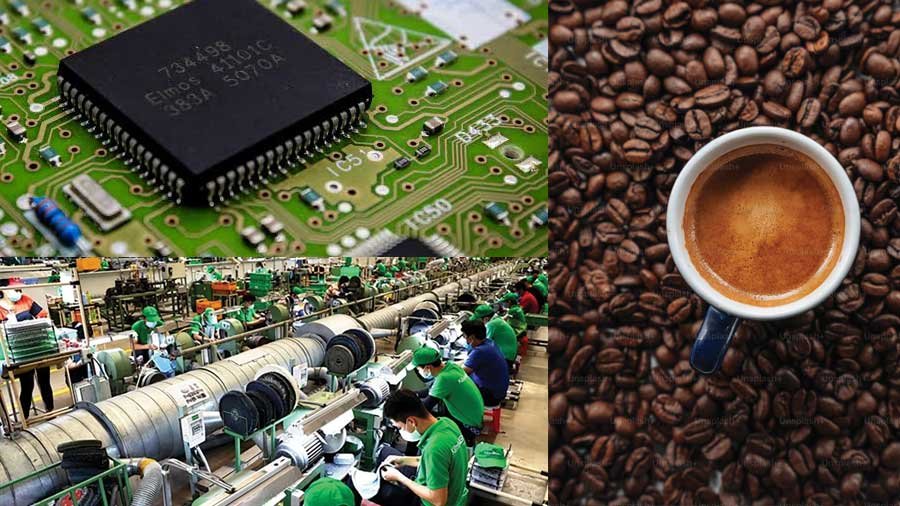
India today exports a diverse basket of products to Viet Nam, including pharmaceuticals, steel, machinery, automobiles and auto components, chemicals, cotton, textiles, marine products, and information technology services. Viet Nam, in turn, has become an important supplier of electronics, mobile phones and components, machinery, electrical equipment, coffee, pepper, seafood, rubber, textiles, footwear, and consumer goods to the Indian market.
The diversity of trade has made the bilateral relationship less vulnerable to sector-specific disruptions and created opportunities for businesses of all sizes to participate in cross-border commerce.
Addressing Trade Imbalances
While trade volumes have grown impressively, both governments recognise the importance of making growth more balanced and sustainable.
India continues to run a trade deficit with Viet Nam, largely because of substantial imports of electronics and manufactured goods. Rather than viewing this imbalance as a structural weakness, both countries have chosen to address it through deeper market access, diversification of exports, and expanded investment.
The May 2026 Joint Statement reflects this pragmatic approach. Viet Nam expressed its willingness to increase imports of Indian products, while both sides committed to identifying new sectors that can generate mutually beneficial trade. The emphasis is not merely on increasing volumes but also on improving the quality and diversity of bilateral commerce.
Agriculture Opens a New Chapter
Among the most tangible outcomes of the State Visit were significant breakthroughs in agricultural market access.
India secured market access for fresh grapes in Viet Nam, while India simultaneously approved market access for Vietnamese fresh durians. Both governments also agreed to expedite technical and quarantine procedures for the export of Indian pomegranates to Viet Nam and Vietnamese pomelos to India.
Although these decisions concern only a handful of agricultural products, their significance extends much further. They demonstrate growing regulatory confidence, strengthen food trade, create new opportunities for farmers, and establish a framework for expanding agricultural cooperation in the future.
For producers in both countries, these agreements represent new commercial opportunities in rapidly growing consumer markets.
Towards Stronger Supply Chains
The changing global economic landscape has highlighted the importance of diversified and resilient supply chains. As multinational companies adopt the “China Plus One” strategy and seek alternative manufacturing bases, both India and Viet Nam have emerged as attractive investment destinations.
Recognising this opportunity, the two governments agreed to strengthen cooperation in manufacturing, logistics, critical minerals, electronics, renewable energy, pharmaceuticals, textiles, and high-value industrial sectors. Greater collaboration in these areas will enable businesses from both countries to integrate more effectively into regional and global value chains.
The leaders also reaffirmed their commitment to concluding the ongoing review of the ASEAN–India Trade in Goods Agreement (AITIGA) at the earliest. A modernised agreement is expected to simplify trade procedures, remove existing bottlenecks, improve market access, and encourage greater participation by businesses across both economies.
MSMEs and the Digital Economy
A notable feature of the Enhanced Comprehensive Strategic Partnership is its recognition that future trade growth cannot depend solely on large corporations.
Micro, Small and Medium Enterprises (MSMEs) account for a significant share of employment, innovation, and exports in both India and Viet Nam. The Joint Statement therefore emphasises closer collaboration between MSMEs through business matchmaking, trade fairs, technology partnerships, and easier access to cross-border markets.
Equally important is the growing role of the digital economy.
India’s globally recognised digital public infrastructure, including digital identity systems and payment platforms, offers valuable opportunities for collaboration with Viet Nam’s rapidly expanding digital ecosystem. During the State Visit, both countries signed important agreements on digital payments and digital technology cooperation, laying the foundation for smoother cross-border transactions, greater financial inclusion, and enhanced support for digital commerce.
E-commerce platforms are expected to become increasingly important in connecting businesses, particularly small enterprises, with consumers across both markets.


Leave a Reply