

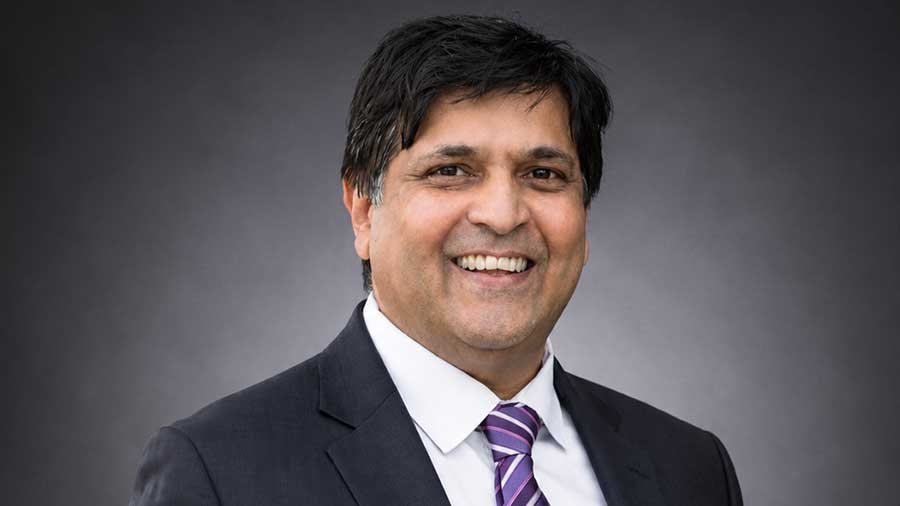
Dr Asif Iqbal
President, IETO
Diplomatist interviewed Dr. Asif Iqbal, a prominent advocate of India–Africa economic cooperation who has led multiple high-level business delegations across the African continent through the Indian Economic Trade Organization and the India Africa Trade Council. In the interview, he shared insights from his extensive engagements with African governments, investment agencies, and industry leaders, highlighting the emerging opportunities for Indian businesses in sectors ranging from mining and agriculture to healthcare, renewable energy, and technology. He also underlined the importance of moving India–Africa relations beyond symbolic diplomacy toward sustainable trade partnerships, MSME integration, and long-term institutional collaboration.
Over the past few years, you have personally led multiple Indian business delegations to African countries including Namibia, Rwanda, Ethiopia, Tanzania, Zimbabwe, and Sierra Leone through the Indian Economic Trade Organization and the India Africa Trade Council. From your direct interactions with African governments and industries, what are the biggest misconceptions Indian businesses still have about Africa as an investment destination?
Africa is often misunderstood by Indian businesses as a high-risk or unstable destination, whereas the reality is that many African economies today are among the fastest-growing and reform-oriented markets globally. From my interactions across countries like Rwanda, Namibia, Ethiopia, and Tanzania, I have seen strong political will, investment-friendly policies, and immense opportunities in infrastructure, mining, agriculture, healthcare, and technology. Indian companies must view Africa not as a destination for short-term trade, but as a long-term strategic growth partner.
During the IETO-led delegation to Zimbabwe, your team signed multiple MoUs in sectors ranging from smart mining and agriculture to tourism, healthcare, and films. In your assessment, why have sectors like mining technology and agri-processing emerged as particularly strategic areas for India–Africa collaboration in recent years?
Sectors like mining technology and agri-processing have emerged as strategic because they directly align with Africa’s developmental priorities and India’s strengths in cost-effective innovation. Africa is resource-rich, while India has expertise in technology, machinery, pharmaceuticals, food processing, and skilled manpower. The recent MoUs signed during the Zimbabwe delegation reflect a growing shift toward value addition, sustainability, and local industrial development rather than only raw material exports.
You have repeatedly emphasised the importance of connecting Indian MSMEs and regional industries with African economies rather than limiting engagement to large corporations. How can smaller Indian enterprises realistically integrate into African value chains without being discouraged by concerns over financing, logistics, or market unfamiliarity?
MSMEs can integrate into African value chains by focusing on partnerships, local presence, and sector-specific collaborations. Indian MSMEs should begin with joint ventures, distribution networks, skill transfer, and technology-sharing models. Governments and trade bodies must also support them through easier financing, export facilitation, and business matchmaking platforms. Africa offers enormous opportunities for smaller Indian enterprises, especially in agriculture, healthcare, renewable energy, education, and digital services.
Your engagements in countries such as Namibia and Ghana have included discussions on pharmaceuticals, food processing, mining, education, and technology partnerships. Which African sectors do you believe remain significantly underexplored by Indian industry despite possessing immense long-term strategic potential?
In my view, sectors such as renewable energy, healthcare manufacturing, vocational education, digital technology, logistics, and affordable housing remain significantly underexplored. Africa’s young population and rapid urbanization create strong long-term demand in these areas. Indian companies have the ability to deliver scalable and affordable solutions that are highly suitable for African markets.
At forums such as the Commonwealth Heads of Government Meeting and other international platforms, you have interacted with African heads of state, investment agencies, and trade bodies. How do African policymakers currently perceive India’s approach toward the continent compared to other major global actors competing for influence in Africa?
African policymakers generally perceive India positively because India’s approach is seen as collaborative, development-oriented, and based on mutual respect. Unlike some global powers that focus purely on extraction or geopolitical influence, India emphasizes capacity building, skills development, technology transfer, and people-to-people engagement. This creates trust and long-term goodwill across the continent.


Leave a Reply