


Examining the digital transformation practice that promises a sustainable solution for future agriculture productivity.
Precision farming is defined as a farm management technique that aids information technology and data analysis to optimize crop, soil health, and productivity by applying resources such as fertilizers, water, pesticides, and others, precisely understanding the nature of the particular cultivation rather than uniformly across the entire field.
The concept is a contemporary farming approach that leverages technology to make informed decisions on crop management based on determined field conditions. The farming method is crucial in modern agriculture as it optimizes resource use, enhances productivity, and promotes sustainability by enabling data-driven decision-making and targeted interventions.
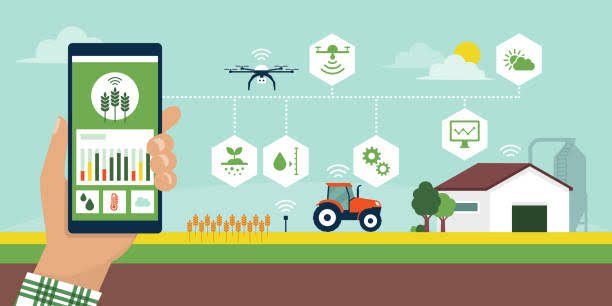
Source: IStock
The strategies consisting of field mapping and planning with geographic information systems (GIS) and geographic positioning systems (GPS) help farmers build detailed maps of their fields, identifying variations in soil, fertility, and other essential factors. The systems guide farmers to allow precise navigation of farm equipment by reducing overlaps of crops and optimizing fuel consumption. To access the data on soil moisture, temperature, nutrient levels, and other critical parameters, the Internet of Things (IoT), interconnected devices, sensors, and technologies that collect and exchange data to optimize agricultural practices provide real-time monitoring of fields. In addition, the automated and artificial intelligence algorithms analyze and predict to enable a seamless forecast of potential threats in agriculture, pest control, and other management practices.
Precision farming enhances sustainability by optimizing resource use, reducing waste, and minimizing environmental impact by applying technological inputs.
The method is increasingly relevant in developed countries. There are several implications developing countries face related to cost, infrastructure, technological accessibility, and more that fail to achieve their fullest.
Global Case Studies in Precision Farming
The United States is the largest producer of sweet corn at roughly 315 million tons per year, accounting for 34 percent of global production. The country boosted exports to 69 million tons of sweet corn annually by yielding a value totalling $9.2 billion using precision farming techniques, GPS World.
In the United States, large-scale farms increasingly utilize precision agriculture technologies in monitoring yields, soil mapping, optimization of resource use, and reducing costs with adoption rates higher than smaller farms for the reason that larger farms in the USA leverage better economies of scale, relatively higher production values and resource control to justify the investment in expensive technologies. In contrast, smaller farms contend with high costs and lower potential returns. According to the U.S. Department of Agriculture (USDA), the total U.S. farm output has tripled from 1948 to 2021 primarily on account of advancements in technology, although farm labour, land, and other inputs turned down. The studies identify that farmers needed 8 million fewer acres to produce the same wheat yields in 2018 as in 1990.
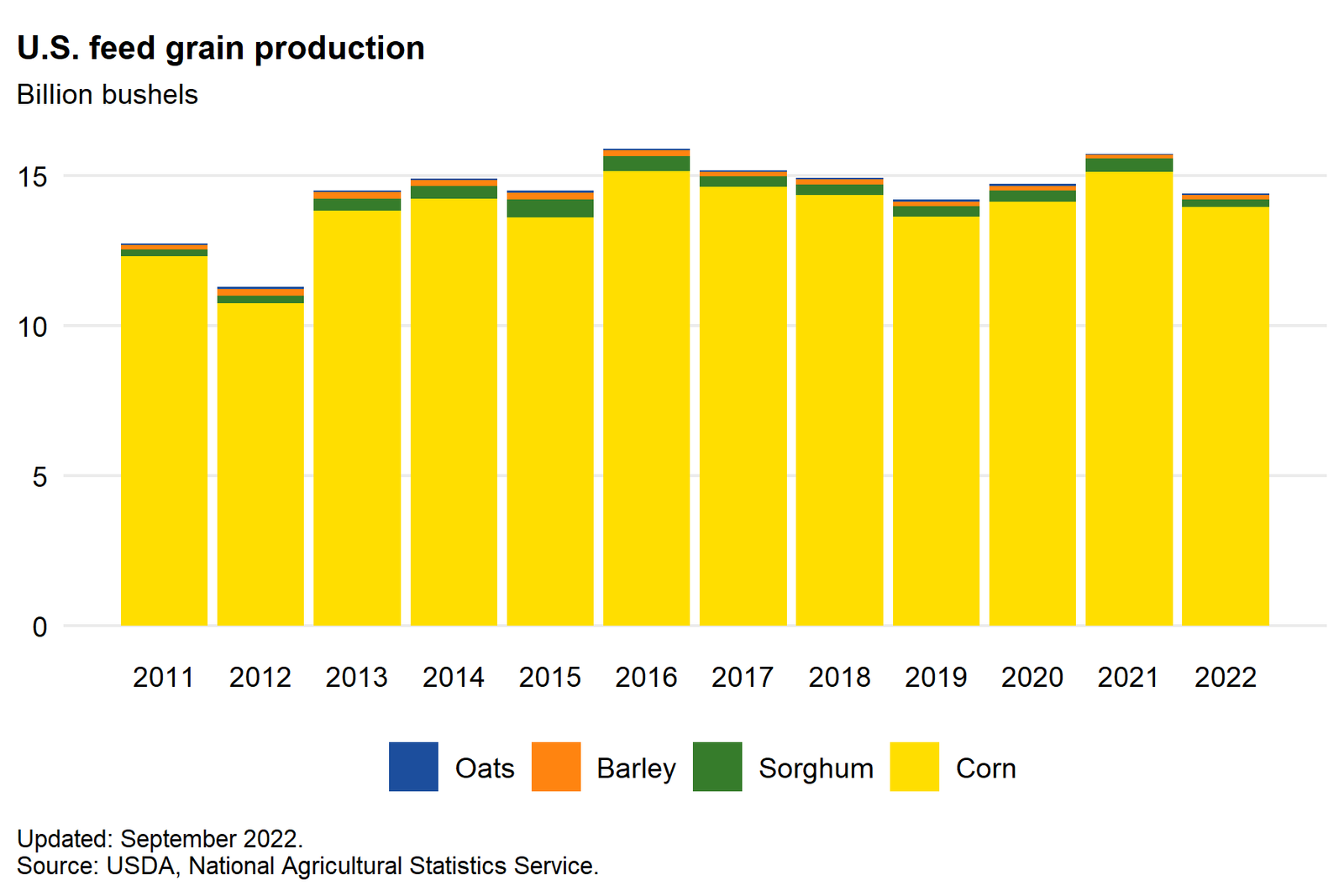
Source: USDA
The U.S. food grains sector, mainly led by corn, is vital to the nation’s agricultural contribution to food, fuel, and livestock feed production. As reported by the USDA Economic Research Service, corn solely accounts for over 90 percent of feed grain production, with its usage spanning ethanol, exports, and animal feed. Technological advancements and precision farming have facilitated global competitiveness, ensuring invariable output in the sector. Despite fluctuating global demand and climate concerns, the industry remains a cornerstone of U.S. agricultural exports and economic stability.
Similarly, Soybean farming in the U.S. significantly benefited from precision agriculture practices. According to the Soybean Growers Association, the technologies have boosted yields by up to 15 percent while lowering costs.
Israel is a smaller country, and Netafim is a company that has operated worldwide since 1972. It has sold over 150 billion drip irrigation devices, which cuts down water use by up to 90 percent, allowing farmers to spend less on water and efficiently use resources, The Times of Israel.
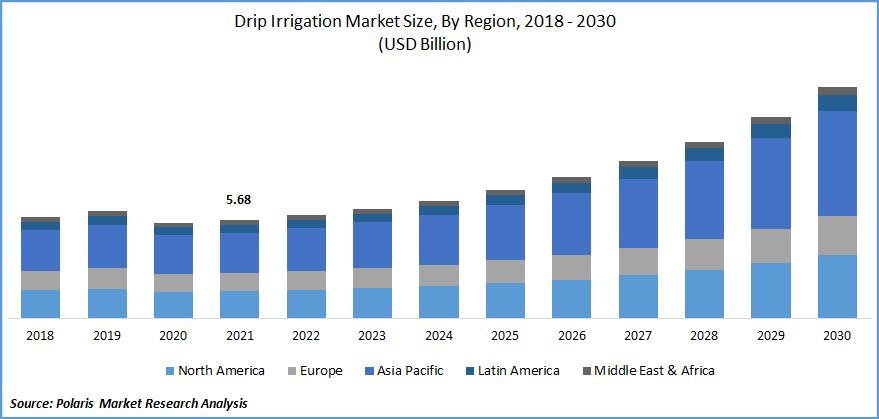
Source: Polaris Market Research
Despite ongoing conflicts, Israel continues to lead in smart farming innovations such as drip irrigation, sensor-based water management, and artificial intelligence-driven crop monitoring, which transforms agriculture in arid regions. GhanaWeb reports that the Israeli Ambassador emphasized that the technologies help countries like Ghana tackle water scarcity and low productivity. The continued resilience underscores Israel’s commitment to sharing agricultural expertise, proving innovation thrives amidst adversity.
Where Does India Stand
Precision farming is growing in India, with adoption primarily concentrated among larger agricultural enterprises and progressive farmers, particularly in states such as Punjab, Haryana, Maharashtra, and Andhra Pradesh.
The Centre plans to contribute Rs. 6000 crore to promote precision farming techniques concerning Smart Precision Horticulture Programmes, which the Union Ministry of Agriculture will launch under the existing Mission for Integrated Development of Horticulture (MIDH) scheme, IE. The program and several other models encourage collaboration with agritech startups specializing in drone technologies, IoT, and artificial intelligence. In January 2025, in partnership with the Google Cloud Platform, the government of Uttar Pradesh launched an Open Network for Agriculture, providing access to market linkages, loans, mechanization, and advisory services to farmers.
One out of many examples is that farmers in Tamil Nadu have achieved significant success by adopting tissue-cultured Grand Naine banana cultivation, investing approximately ₹80,000-85,000 per acre to yield 38-40 tonnes, resulting in a net income of ₹70,000-75,000 annually. Implementing drip irrigation and adhering to recommended agronomic practices have further enhanced productivity and profitability, AgriTech TNAU.
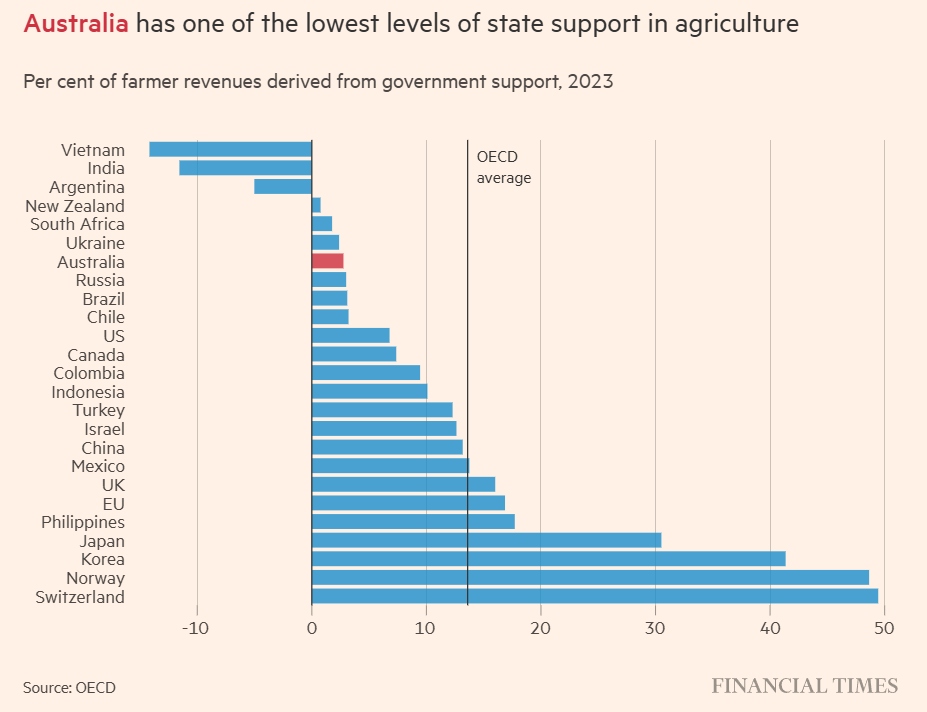
India still stands at a critical period in its agricultural transformation with precision farming among developed countries. The FT graph highlights that the country receives minimal government support compared to developed countries with access to advanced agri-tech solutions and limited farmers. The infrastructure challenges, fragmented land holdings, and low awareness withhold leveraging opportunities driven by artificial intelligence and advanced technologies in farming, private sector investments, and policy reforms.
Conclusion
Referring to An Exploratory Literature Review on the Utility of Mobile Phone-enabled Services for Smallholder Farmers, it is essential to integrate precision farming with mobile technologies focusing on affordable solutions, farmer-centric policies, and robust data-driven frameworks to redefine a sustainable future. The seamless approach helps to boost productivity, ensuring environmental sustainability, resource efficiency, and climate resilience as the gross hunger index addresses to achieve globally where India stands significant in considering food security and alleviating poverty since the country is the largest food producer and major exporter of food commodities globally. India is in a serious rank in GHI 2024 in terms of child stunting and malnutrition, showing the severity of the state in its development and addressing poor and smallholder farmers to bridge the gap.
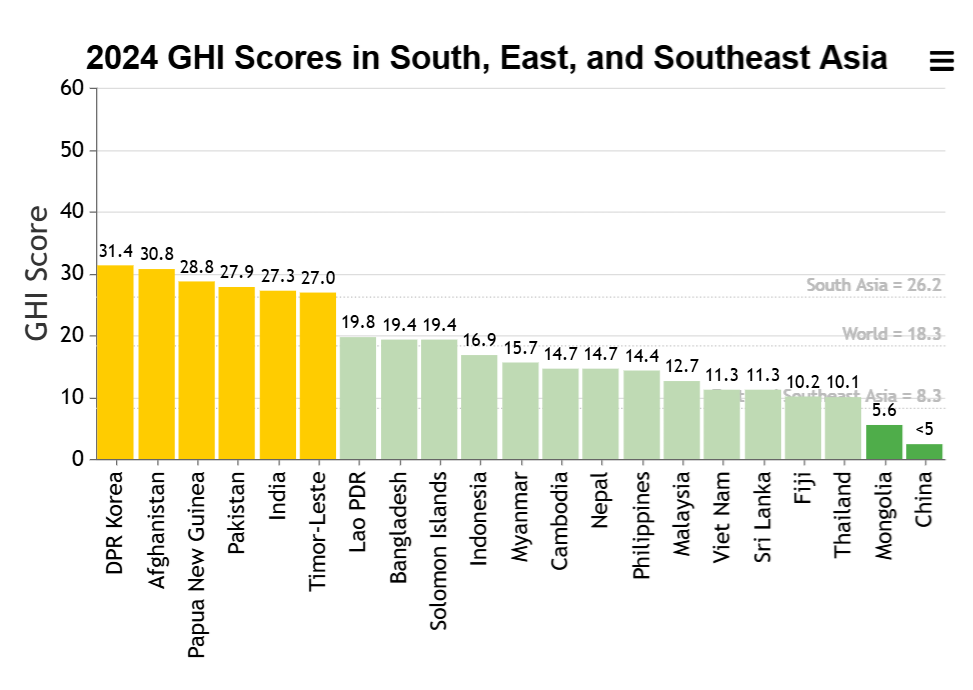
Source: GHI
Hence, the country achieves more significant success in precision farming methods and their adoption, factors such as inadequate infrastructure, digital literacy gaps, and insufficient policy support for small-scale farmers hinder the potential of precision agriculture techniques in India compared to developed countries.



Leave a Reply