

On our planet, while we revere countless Goddesses who embody divinity and elegance, a report from UN Women and the UN Office on Drugs and Crimehighlights a grim reality: 140 women and girls are murdered each day by their partners or close relatives, translating to a woman losing her life every 10 minutes. Over recent decades, there has been a notable yet gradual transformation in the global leadership landscape,with women increasingly stepping into influential roles across politics, business, and various other fields. The media’s dichotomous portrayal of women, oscillating between reverence and vilification, perpetuates harmful stereotypes and reinforces societal prejudices. This paradoxical representation constrains women’s autonomy, fosters internalized misogyny, and limits their opportunities for advancement. Despite increasing representation, women remain underrepresented in leadership positions, facing unique challenges. The media plays a crucial role in shaping public perception, often perpetuating biases and double standards that hinder women’s progress. This examination investigates the complex interplay between women in leadership and media representation, analyzing the impact of these portrayals on public perception, credibility, and opportunities for women leaders based on findings from the Reuters Institute for the Study of Journalism.
Stereotyping and Bias in Media Representation
The media has long been a platform where stereotypes about women in leadership are perpetuated. Women leaders subjected to gendered portrayals that emphasise their femininity overcompetence. Media coverage focuses on their appearance, clothing, and personal lives, rather than their professional achievements and policies. Such portrayals emphasise the notion that women are less capable of leadership than men and divert attention from their substantive contributions. Biased language is another common feature of media coverage of women leaders. Adjectives such as emotional, aggressive,bossy are often used to describe women in leadership roles, whereas men are more likely to be characterised as strong or decisive. These gender biases weaken the credibility of women leaders and continue gendered assumptions about leadership qualities.Women leaders are frequently depicted in less powerful poses or settings compared to their male counterparts, subtly conveying the message that they are less authoritative or capable of leading
The Double Bind: Expectations of Women Leaders in Media
Women leaders face unique challenges due to conflicting media expectations. They must balance traditionally feminine qualities (empathy, nurturing, collaboration) with masculine traits (assertiveness, decisiveness, strength). This paradox leads to criticism regardless of approach, with assertive women deemed aggressive and nurturing women seen as weak. The media’s intense scrutiny exacerbates this dilemma, subjecting women leaders to more rigorous evaluation than their male counterparts, thereby complicating their leadership journey.
Media’s Impact on Women Leaders’ Credibility and Authenticity
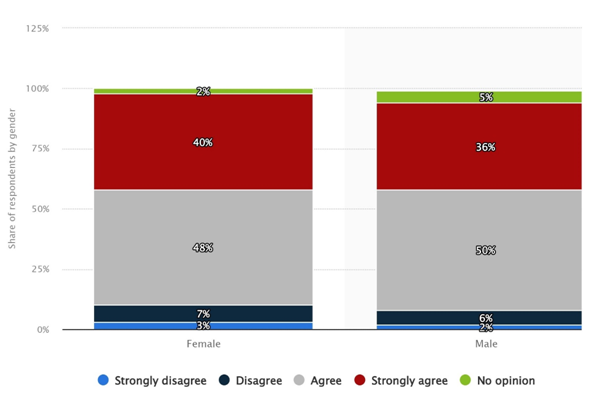
The representation of women leaders in the media plays a crucial role in shaping their credibility and perceived authenticity. Women in leadership positions face a greater degree of scrutiny compared to their male counterparts, with every statement, action, and decision subjected to intense examination. This increased level of scrutiny often magnifies minor errors or shortcomings, potentially harming their credibility and public perception. Additionally, the media frequently challenges the authenticity of women leaders, especially when they deviate from conventional gender expectations. For instance, a woman leader who exhibits assertiveness and decisiveness may be labelled as masculine or inauthentic, whereas one who demonstrates empathy and collaboration might be viewed as feminine but lacking in authoritative presence. This ongoing questioning of their authenticity diminishes their credibility and complicates their efforts to earn public trust. As per statistica’s report the attitudes towards typical media portrayal of women in traditional gender roles in India in 2020, by gender is
The Role of Social Media in Shaping Perceptions of Women Leaders
Social media has become a crucial tool for women in leadership, allowing them to bypass traditional media and connect directly with their audience. This can help establish a personal brand and control their narrative. However, social media also amplifies the challenges women leaders face.The rapid and often harsh nature of social media means that any errors can quickly escalate into viral criticism, resulting in potential harm to their reputation. Furthermore, these platforms can foster environments rife with misogyny and sexism, exposing women leaders to online harassment and abuse. Nevertheless, numerous women leaders have adeptly leveraged social media to their benefit. Figures such as Jacinda Ardern and Kamala Harris have effectively utilised these platforms to connect with the public, share their personal journeys, and promote their policies. Such initiatives have played a vital role in humanising them and establishing a sense of authenticity, which is essential for earning public trust and support.
Women Leaders in the Media Spotlight
Angela Merkel’s leadership style has been praised for its pragmatism and consensus-driven approach. However, media coverage has often emphasised her reserved demeanour, labelling her as unemotional, traits typically associated with masculinity. Despite these biases, Merkel’s lengthy tenure and adept handling of crises have solidified her reputation, demonstrating that women can lead effectively and command respect.
Jacinda Ardern has received widespread acclaim for her empathetic and decisive leadership style, particularly during critical events like the Christchurch Mosque shootings and the COVID-19 pandemic. Media narratives have highlighted her compassion and kindness, qualities traditionally linked to femininity. However, this has also led to critiques suggesting she is too soft or lacks strength, underscoring the complex expectations placed on women leaders
Kamala Harris has faced considerable media scrutiny since her ascent to prominence. Coverage has often emphasised her identity as a woman of colour, with some outlets questioning her authenticity and others labelling her as too ambitious. Despite these obstacles, Harris has effectively utilised social media to engage with the public and promote her policies, showcasing the potential of modern communication tools in shaping a leader’s narrative.
Recommendations for Media Reform
To promote balanced media representation of women leaders, it is essential to foster diverse and inclusive newsrooms, avoid gendered language and imagery, and focus on professional achievements and policies. Media outlets should critically examine and challenge double standards, provide opportunities for women leaders to share their perspectives, and address online harassment and abuse on social media platforms. By implementing these strategies, the media can promote gender equality, support women in leadership, and create a more nuanced and balanced representation of women leaders, ultimately contributing to a world where women can thrive and reach their full potential.
Conclusion:
The media plays a significant role in shaping public perceptions of women in leadership, often perpetuating stereotypes, biases, and double standards. Women leaders face intense scrutiny, conflicting expectations, and online harassment. To address these issues, a more nuanced and equitable media representation is crucial. By shifting away from gendered narratives and highlighting women leaders’ contributions, the media can help dismantle stereotypes, foster gender equality, and promote inclusivity.
‘It is time that men and boys recognize the part they must play in gender equality and join with the voices and actions of the women and girls who are trying to re-shape society in the interests of us all.’
– Jimmy Carter, former Present of the United States of America



Leave a Reply