

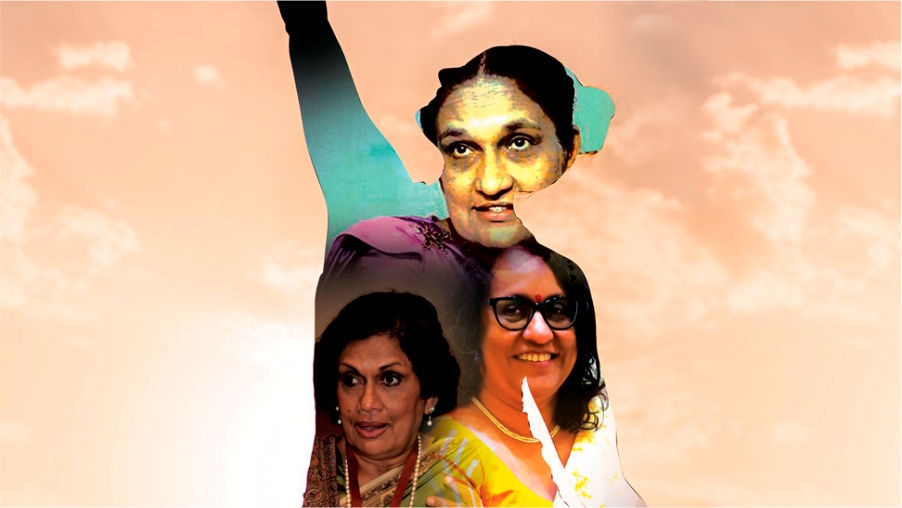
Sri Lanka occupies a unique and distinguished place in global political history. Long before gender equality became a major international conversation, the island nation demonstrated that political leadership was not confined by gender.
The story of women in Sri Lankan politics is one of historic milestones, resilience, and a democratic culture that has gradually expanded space for female leadership.
A Nation That Made Global History
Sri Lanka made world history in 1960 when Sirimavo Bandaranaike became the world’s first elected woman Prime Minister. At a time when political leadership across the world remained overwhelmingly male, her election reshaped global perceptions of women in governance.
Bandaranaike’s leadership went far beyond symbolism. She guided Sri Lanka through complex political and economic transitions and became an influential voice among developing nations during the Cold War. Her tenure demonstrated that women could effectively lead in areas ranging from national policy to diplomacy and international relations.
This historic moment placed Sri Lanka among the earliest pioneers of women’s political empowerment, decades ahead of many established democracies.
Leadership Across Generations
The legacy of women’s leadership continued with Chandrika Bandaranaike Kumaratunga, the daughter of Sirimavo Bandaranaike, who became Sri Lanka’s first female Executive President in 1994. Her rise marked another defining chapter in the country’s political journey.
Kumaratunga had earlier served as Prime Minister before assuming the presidency, making her one of the few leaders globally to hold both of the country’s highest executive offices. Her leadership during a challenging period of internal conflict demonstrated growing confidence in women as decision-makers in matters of national security, governance, and reconciliation.
These milestones ensured that Sri Lanka remained among the few countries where women repeatedly held the highest constitutional offices.
Expanding Participation Beyond the Top
While early political leadership often emerged from prominent political families, Sri Lanka’s democratic evolution has gradually broadened opportunities for women at the grassroots level.
A significant turning point came with the introduction of a 25 percent quota for women in local government institutions. The reform led to a dramatic increase in female participation in local government across the country.
As a result, thousands of women — including teachers, social workers, entrepreneurs, and civil society leaders — began participating directly in local governance. Their involvement strengthened community-level decision-making in areas such as education, healthcare, infrastructure, and social development.
This shift marked an important transformation in Sri Lanka’s political landscape: from individual pioneers to broader collective participation.
Women Shaping Policy and Governance
Today, women leaders in Sri Lanka play active roles across parliamentary committees, public policy initiatives, and development programmes.
Women politicians have been particularly influential in advancing policies related to rural development, healthcare accessibility, education expansion, social welfare, and gender-responsive governance. Their growing presence has helped introduce more inclusive perspectives into legislative debates and public policy discussions.
International studies increasingly show that diverse representation strengthens policymaking and democratic responsiveness — an area where Sri Lanka continues to make steady progress.
A New Generation of Leaders
Recent developments highlight the emergence of a new generation of women leaders shaped by academia, activism, and professional expertise.
The appointment of Dr. Harini Amarasuriya as Prime Minister in 2024 represents an important contemporary milestone. Coming from an academic and social policy background rather than a traditional political lineage, her rise reflects the widening pathways for women entering national politics.
Her leadership symbolises a maturing democratic system in which competence, policy expertise, and public engagement increasingly define leadership opportunities.
A Legacy Still Unfolding
More than six decades after making global history, Sri Lanka continues to build upon its legacy of women in public leadership.
The story today is no longer only about trailblazers breaking barriers. It is about institutions gradually opening, leadership models evolving, and governance becoming more representative of society.
As women increasingly shape public policy, democratic dialogue, and national development, Sri Lanka’s political journey offers a powerful reminder: leadership is strongest when it reflects the voices of all its people.
And in Sri Lanka, that voice has long included women — not only as participants, but as pioneers.


Leave a Reply