

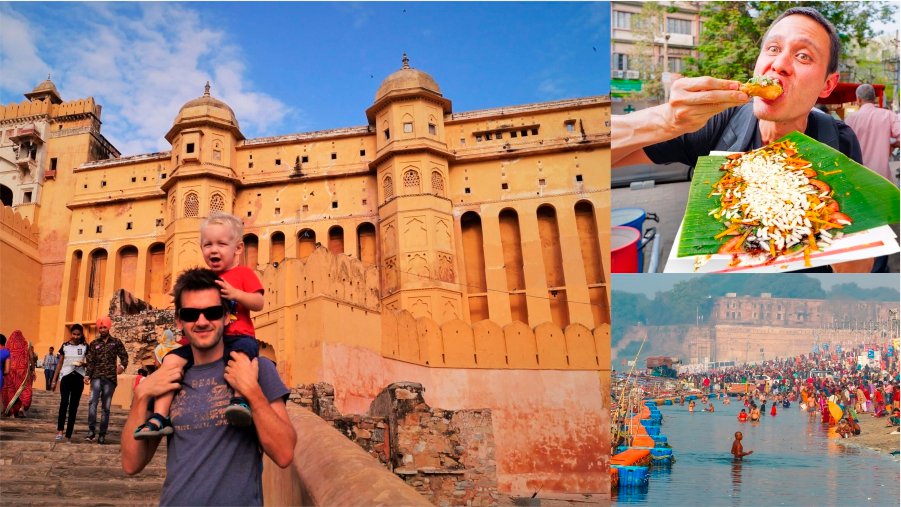
“Our similarities are way more than our differences. And our differences are just there to keep things interesting.”
In the grand theatre of geopolitics, not every handshake is made of protocol and power. People-to-people connections can, in fact, go a very long way. Tourism and culinary diplomacy — the art of building bridges through experiences — are proving to be among the most powerful instruments of nation branding in the 21st century.
A recent Bloom Consulting study estimated that perceptions of a nation’s image contribute nearly 1% of global GDP (US$934 billion), influencing flows of tourism, investment, and trade. Another study published in Sustainability (2024) found that tourism expenditure, exports, and FDI are statistically significant drivers of a stronger nation brand. In simpler terms, people invest, travel, and trade with countries they like.
That makes tourism and culinary diplomacy more than cultural niceties — they are strategic assets. Thailand’s Global Thai program tripled the number of Thai restaurants worldwide and boosted exports of ingredients and tourism revenues. Peru turned its cuisine into a global phenomenon, linking food festivals and gastronomy tours that have been credited for growth in agricultural exports. Japan used the washoku tradition to secure UNESCO heritage status and reposition itself as a land of aesthetic refinement and harmony. So soft power isn’t soft at all — it’s a slow-cooked strategy.
Rediscovering what makes India, India
I have seen two very different versions of ‘India’ over the years. In the early years of liberalisation or till the middle of the previous decade, India seemed to be playing a catch-up game. It was defined by its IT prowess or being the world’s back office, and also its aspirations to emulate China’s economic miracle. We also thought ‘investment’ was much more than ‘export’. Admirable, yes — but in retrospect, I can say that we were losing what was distinctively Indian.
What makes a nation memorable is not only its economic performance, but also its cultural flavour, emotional resonance, and the experiences it evokes in those who encounter it. Thankfully, in recent years, India seems to be rediscovering that soul (even as the catch-up game continues). From yoga to millets, from the Kumbh Mela to Ayurveda, we are taking pride in what the world once came here to seek.
Yoga, perhaps our most successful cultural export, is now a global US$100-billion industry. The United Nations’ recognition of International Yoga Day, celebrated in over 190 countries, transformed a spiritual discipline into a universal symbol of balance and well-being. It reintroduced India not merely as a teacher of asanas, but as the origin of an entire philosophy of harmony between body, mind, and world.
The Kumbh Mela, recognised by UNESCO as Intangible Cultural Heritage, attracted over 660 million visitors in its 2025 edition according to estimates — the largest peaceful congregation on Earth. It’s a living expression of the idea of India. In its vastness lies a subtle message of discipline, inclusion, and spirituality — one that resonates with the world’s growing curiosity about collective consciousness.
And then came millets — our humble, hardy grains that once fed our ancestors and now feed the sustainability movement. When the United Nations declared 2023 as the International Year of Millets following India’s initiative, it marked a turning point: our heritage entered the global health and climate dialogue. From embassies hosting millet festivals to chefs crafting contemporary millet recipes, the message was clear — going back to our roots can be a leap forward for the planet.
The Global Appetite for Indian Traditions
There’s something timeless and universal about Indian traditions. You see it in how ‘Namaste’ — a gesture of humility and respect — has become global. Or contemplate on this magnificent verse from the Rig Veda:
“Ekam sat viprabahudhavadanti” — Truth is one; the wise express it differently.
That line, written thousands of years ago, could easily be the world’s most profound philosophy of diplomacy. It embodies VasudhaivaKutumbakam — the world is one family — the ethos behind India’s G20 presidency theme and, in many ways, the country’s soft power DNA.
Add to that the enduring influence of Mahatma Gandhi, perhaps the greatest practitioner of moral diplomacy in modern history. His idea of ahimsa, or non-violence, continues to inspire global movements. And when you think about it, our new icons — yoga, Ayurveda, vegetarianism, sustainability, and millets — all spring from that same philosophical soil: moderation, respect for life, and harmony with nature, values that the world badly needs today.
The Curry and the Idli: Everyday Ambassadors
Indian food has always been our most persuasive ambassador. The curry, in all its variations, did more for India’s global perception than any campaign. In the UK alone, the “curry industry” contributes over £4 billion annually to the economy. “Chicken tikka masala” was once jokingly called Britain’s national dish — but the joke has aged into truth.
Likewise, the idli and dosa have gone global, thanks to the wellness movement. Fermented, gluten-free, and minimalist, they embody everything modern consumers want — but have been part of Indian breakfast tables for centuries. The world is finally catching up to what we’ve known all along: our food isn’t just delicious, it’s intelligent.
Every Indian restaurant abroad, every chef interpreting regional flavours, and every diaspora family serving chai to their foreign friends is a quiet act of diplomacy. Together, they form an ecosystem of warmth, familiarity, and respect — the kind of influence money can’t buy.
From Organic to Organised Soft Power
Yet, much of India’s soft power has been organic — emerging from people, not policy. While this is truly phenomenal, the next step is to make it organised.
Research shows that tourism and cultural branding can directly enhance a nation’s economic and diplomatic clout. But to realise that potential, we must invest — not only in marketing but in infrastructure, authenticity, and experience quality.
India’s tourism potential remains immense but underleveraged: though we host the world’s oldest civilisation, we attract less than 2% of global tourist arrivals. Visitors come for the spirituality, cuisine, and colourful vibrancy of India — but often leave with mixed feelings about infrastructure, cleanliness, or accessibility. The message is clear: our software of hospitality is exceptional, but our hardware needs an upgrade.
That’s where long-term, institution-driven investments must come in — not just in connectivity or signage, but in the global scaffolding of India’s cultural influence. Imagine a future where our ecosystem actively supports the establishment of authentic Indian restaurants abroad, offering accreditation, culinary training, quality ingredient supplies and brand visibility under a “Global Indian Table” initiative — much like Thailand’s celebrated Global Thai program. These restaurants would serve not just food, but India’s story — from millets to Ayurveda, from diversity to sustainability.
At home, we need to build the infrastructure for immersive cultural experiences — culinary trails, heritage kitchens, museums of taste, and wellness circuits that blend tourism with storytelling. Beyond that, a National Mission on Culinary and Cultural Diplomacy could integrate chefs, artisans, entrepreneurs, and diplomats into one cohesive strategy to project “Brand India” through its most universal language — food and experience.
Owning Our Icons
From the namaste to the thali, from Gandhi to the Ganges, India’s treasures already command the world’s admiration. What we need now is conscious ownership — to recognise these not as curiosities of the past, but as strategic assets of the future.
We’ve spent decades proving we can code like Silicon Valley and manufacture like Shenzhen, and for good reason. But perhaps the next frontier is to inspire like India — through experiences that touch hearts before markets.
In the end, culinary and tourism diplomacy remind us of what Gandhi once said: “The world has enough for everyone’s need, but not everyone’s greed.” If India’s wisdom, wellness, and warmth can help the world remember that, our diplomacy would have achieved its highest purpose.
Because the truest measure of a nation’s power is not how loud its voice is, but how warmly its message is received.



Leave a Reply