

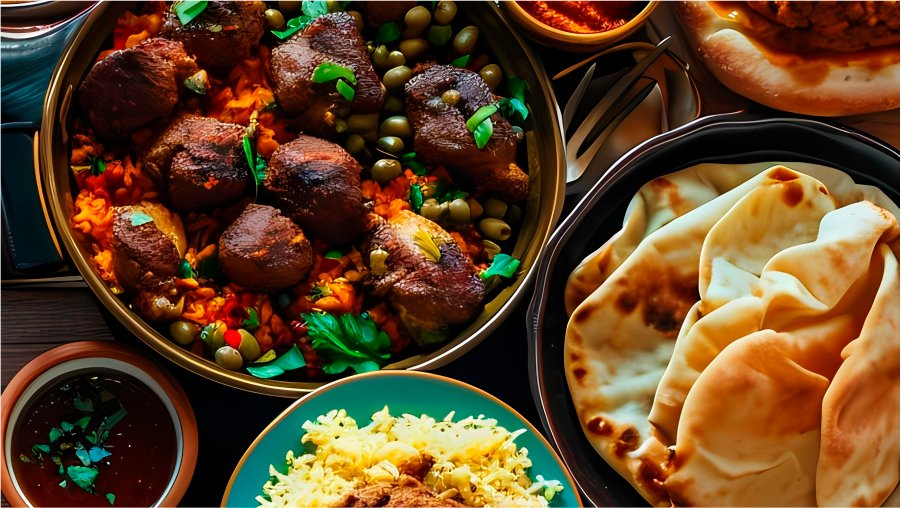
“Cuisine is the landscape in a pot” – this quote by Jean Brunhes poetically expresses the amalgamation of geography, history, food and identity. On another level, “Life is a book; those who do not travel read only one page.” Food and Cuisine are so intricately intertwined that doing one and not doing the other probably leaves a half-baked taste in life.
In an era where global diplomacy increasingly extends beyond boardrooms and formal negotiations, the dining table has emerged as an influential platform of persuasion. As someone famously said, “the best way to a person’s heart is through the stomach”. Food, once regarded as mere sustenance or indulgence, has become a subtle yet potent instrument of diplomacy. Culinary and tourism diplomacy are two of the most experiential forms of soft power alongside movies and music. Cuisine and tourism together offer a unique opportunity for India to project its identity, break down barriers, strengthen partnerships, and narrate its story to the world in flavours, fragrances, and journeys that linger long after the last bite or photograph.
The Power of the Plate
Culinary diplomacy—also called gastrodiplomacy—has been described as “winning hearts and minds through stomachs.” Nations have long recognised the symbolic and emotional resonance of cuisine in forging bonds. France’s haute cuisine, Japan’s washoku, and Thailand’s “Global Thai” initiative have turned national kitchens into emissaries of culture and commerce. In each case, the plate becomes a point of entry into a nation’s defining values: balance, precision, creativity, hospitality, restraint, or abundance.
For India, food diplomacy is not new; it is simply under-articulated. For centuries, India’s spices have sailed across oceans as ambassadors of its civilisational depth and diversity. The exchange of ingredients—from pepper and cardamom to mango and tamarind—helped shape the global palette long before globalisation became a policy term. Today, that same legacy offers a powerful medium for reimagining India’s global engagement.
Indian cuisine is an embodiment of pluralism. Each region’s culinary expression reflects layers of history—Mughal refinement, Portuguese influence, Tamil austerity, Bihari simplicity, Malayali ingenuity or Bengali experimentation. When an Indian chef presents Kashmiri haak saag alongside Goan prawn balchao in an embassy dinner, it is not just gastronomy—it is diplomacy served with the flavour of diversity and the taste of unity. The challenge and the opportunity lie in moving from isolated efforts, such as occasional food festivals or diplomatic dinners, to a more systematic culinary diplomacy campaign that communicates the Indian ethos.
Tourism as a Continuation of the Meal
Tourism diplomacy naturally complements this culinary narrative. If food is the invitation, travel is the journey. Tourists who taste India’s cuisines abroad often follow their curiosity to its source—Delhi’s street food markets, Kerala’s spice gardens, Lucknow’s kebab trails, or Sikkim’s monasteries with bowls of steaming thukpa.
Tourism, when aligned with diplomatic objectives, becomes more than economic exchange; it is cultural immersion. Each visitor becomes an informal ambassador, returning home with stories that simplify and humanise India’s complexity. The Ministry of Tourism’s Incredible India! The campaign has successfully positioned the country as a destination of experiences, and its internal marketing program of Atitthi Devo Bhavah has aimed at making citizens important stakeholders in the tourism journey. However, the next phase must intertwine culinary narratives into the tourism story. India’s regional cuisines are not simply local manifestations of available raw materials; instead, they are intellectual and emotional expressions of geography, climate, religion, culture and history. Promoting famous culinary trails—such as the Chettinad route, the Hyderabadi biryani circuit, the Bihari littichokha road or the Himalayan herb paths—would translate gastronomy into tourism diplomacy at scale.
This is already beginning to happen. Kerala’s Responsible Tourism Mission, which connects visitors with local households offering authentic meals served at private homes on highways (veetileyoonnu) and local stories, is a model of people-centric engagement. Similarly, the Eat Right India movement links health, sustainability, and local identity, bridging domestic awareness with international respect for India’s holistic approach to well-being. In these examples, diplomacy is not confined to embassies and consulates but expands into the local communities, village kitchens, and airy verandas (sit-out areas).
The Global Moment for Indian Flavours
The timing could not be more perfect. Around the world, Indian cuisine is moving beyond stereotypes of “curry” and “spice.” Chefs of Indian origin—from London’s Asma Khan (the soul of Darjeeling Express – the world’s only all-women Indian kitchen) to New York’s Vikas Khanna (the spirit behind the Michelin-starred Junoon restaurant in NYC) — are narrating India through ingredients and aesthetics that emphasise tradition with modern refinement. Their success points to a larger narrative: India’s food is not just delicious; it is philosophical, balanced, and based on the principle that food connects body, mind, and spirit.
A structured Indian Culinary Diplomacy initiative could leverage this momentum. Imagine embassies and consulates worldwide hosting “India by Taste” weeks, curated not merely as banquets but as cultural immersions. A tasting menu could be accompanied by classical music, regional storytelling, and exhibits on agricultural, handloom, music and historical heritage. This could elevate food from merely a sensory experience to a cultural dialogue.
India could also invest in culinary residencies for international chefs, scholarships for food writers, and partnerships with global gastronomy institutes like Le Cordon Bleu. Beyond immediate perception-building, these measures generate long-term networks of influence—individuals who become advocates of India’s story through their own professional platforms.
The Diplomacy of Sustainability
Modern diplomacy increasingly engages with sustainability, and here again, India’s culinary traditions offer an invaluable message. Centuries before the word “sustainability” entered diplomatic discourse, Indian kitchens practised it. From zero-waste cooking in Rajasthan’s desert communities to millet-based diets in tribal regions, the Indian table reflects ecological consciousness born of necessity.
As the world searches for climate-friendly consumption models, India’s food heritage presents an interesting example. Promoting traditional grains, seasonal produce, and plant-forward cuisines aligns with global sustainability goals while deepening India’s diplomatic identity as a responsible civilisational power. A millet meal served at an international forum, for instance, can be a subtle yet powerful statement of values: nourishment that respects both people and planet.
Similarly, tourism diplomacy that foregrounds community-based and eco-sensitive travel—homestays, village experiences, and conservation-linked tourism—echoes India’s inclusive growth narrative. The visitor who eats bajra roti in a Rajasthani village or drinks filter coffee in Coorg is participating, consciously or not, in a story of resilience and respect for nature.
Beyond Symbolism: Strategy and Structure
To transform these rich cultural assets into consistent diplomatic instruments, India needs a strategy and structure. A national framework for culinary and tourism diplomacy—perhaps under a joint initiative of the Ministries of External Affairs, Tourism, and Culture—could institutionalise efforts currently dispersed across missions. Indian embassies might maintain curated culinary calendars, showcasing regional cuisines on a rotational basis. Similarly, training Indian diplomats in the cultural language of food and travel would enhance their capacity to deploy soft power effectively.
There is also merit in linking India’s diaspora restaurants to this effort. Many of these establishments already act as informal embassies, introducing global diners to the country’s flavours and ethos. Offering them recognition and support within an official culinary diplomacy network would amplify both authenticity and outreach.
A Seat at the World’s Table
Ultimately, culinary and tourism diplomacy serve the same deeper purpose: they humanise the state. They remind the world that nations are not abstractions but communities of people, each with stories to tell and flavours to share. In a time of geopolitical uncertainty, such connections matter more than ever.
India’s strength lies in its ability to welcome differences—on its plate and in its politics. Efforts to forcefully make it adhere to one overarching standard have failed and rightly so. Because India is in reality many Indias. Every spice blend, every region, every journey contributes to a narrative of coexistence and creativity. To taste India is to experience a civilisation that believes the world is one family—VasudhaivaKutumbakam.
And in that spirit, perhaps the most persuasive form of diplomacy India can offer the world today is not merely a policy or a position, but an invitation: “Come, eat, travel, and understand.”



Leave a Reply