

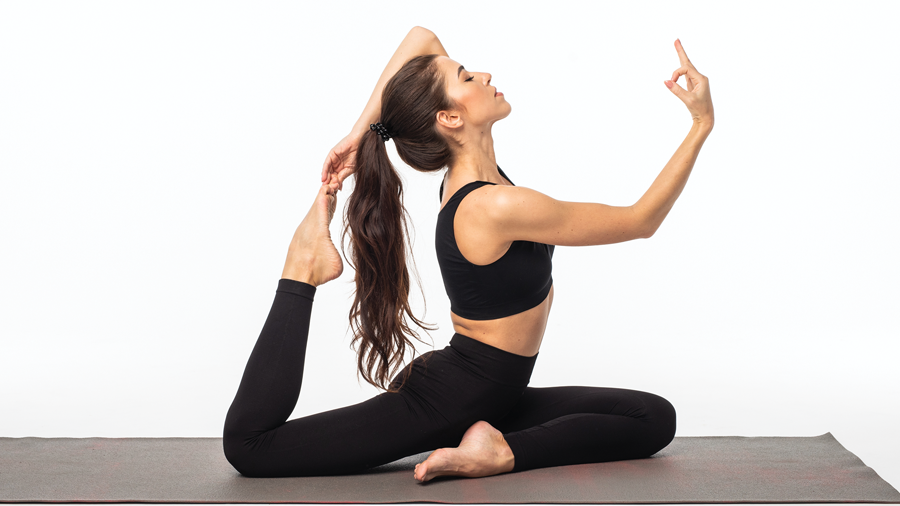
On 21 June 2015, the world celebrated the first International Day of Yoga following a United Nations (UN) resolution that received unprecedented support, endorsed by 177 nations. A decade later, the initiative stands as a testament to India’s enduring cultural legacy and its soft power diplomacy. As International Yoga Day 2025 marks its tenth anniversary, it is time to reflect on the historical, philosophical, and global significance of Yoga and the far-reaching implications of its universal acceptance.
The Timeless Roots of Yoga
Yoga, meaning union in Sanskrit (derived from Yuj), is one of the six orthodox systems of Indian philosophy. It is a holistic science aiming to unite the mind, body, and spirit. The earliest conceptual foundation of Yoga is seen in the PurusharthChatushtaya (5000–10000 BC), encompassing Dharma, Artha, Kama, and Moksha.
Sage Patanjali (1500–2000 BC), often considered the father of Yoga, composed the Yoga Sutras, which defined Yoga as Yogashchittavrittinirodhah—the stilling of the fluctuations of the mind. His framework of Ashtanga Yoga (Eight Limbs of Yoga)—Yama, Niyama, Asana, Pranayama, Pratyahara, Dharana, Dhyana, and Samadhi—remains foundational. Patanjali also delineated four primary paths: Karma Yoga, Jnana Yoga, Bhakti Yoga, and Raja Yoga.
The Bhagavad Gita further advanced the philosophy of Karma Yoga, stating: “Yoga is equanimity, skill in action, and detachment from sorrow” (Bhagavad Gita 2.48). In more recent times, Swami Vivekananda championed Raja Yoga, describing it as a path to realise divinity through mental discipline.
The Global Evolution of Yoga
Though rooted in Indian tradition, Yoga began its journey across borders during the late 19th and early 20th centuries, led by spiritual figures such as Swami Shivananda, Shri T. Krishnamacharya, Swami Kuvalayananda, and Paramhansa Yogananda. B.K.S. Iyengar introduced “Iyengar Yoga” with an emphasis on posture and precision, drawing international followers to places like Rishikesh and Bengaluru.
Yoga’s appeal lies in its universality—it transcends religion, class, gender, and age. Recognised as a practice for all, Yoga was inscribed in 2016 on the UNESCO Representative List of the Intangible Cultural Heritage of Humanity.
Yoga in Contemporary Times: From Mats to Ministries
In today’s fast-paced, stress-laden world, Yoga offers a unique antidote by fostering balance between physical strength and mental clarity. Global icons like Novak Djokovic have credited Yoga and meditation as vital elements in their performance and recovery routines. Yoga has now become an integral part of many athletes’ training regimens.
In India, Yoga has been incorporated into the National Games, officially recognising it as a competitive sport. In 2016, the USA Yoga Federation achieved a milestone by registering Yoga as an official sport recognised by the International Olympic Committee.
The Ministry of AYUSH (Ayurveda, Yoga and Naturopathy, Unani, Siddha, and Homoeopathy) has led India’s diplomatic efforts to mainstream Yoga in global health initiatives. It has signed bilateral agreements with countries such as Japan, Saudi Arabia, Canada, and Ecuador to promote Yoga-based interventions for mental health and chronic disease management.
India has also collaborated with the World Health Organisation (WHO) to develop protocols for integrating Yoga into healthcare systems. Institutions like the All India Institute of Medical Sciences (AIIMS) have conducted clinical trials to assess Yoga’s therapeutic potential.
Yoga Tourism and Cultural Diplomacy
States across India have leveraged Yoga to boost wellness tourism. From Uttarakhand’s ashrams in the Himalayas to Kerala’s holistic health retreats offering Yoga alongside Ayurveda and naturopathy, the Yoga tourism sector continues to flourish. The Ministry of Home Affairs has even integrated short-term Yoga courses into the e-tourist visa scheme, inviting international tourists to experience India’s ancient wisdom.
Yoga is not just a cultural artefact—it is now a form of diplomacy. The International Day of Yoga celebrations held in iconic locations around the world, from the Eiffel Tower to Times Square, reflect its stature as a global festival of harmony.
Looking Ahead: Yoga as a Tool for Global Goals
Looking to the future, Yoga’s potential extends to addressing key global challenges. With the United Nations’ Sustainable Development Goals (SDGs) targeting health, well-being, and sustainable living by 2030, Yoga can be a potent enabler. As populations age—by 2030, one in six people globally will be aged 60 or above—Yoga offers a pathway for physical mobility, mental resilience, and emotional well-being.
India has made a compelling case for Yoga’s inclusion as an Olympic discipline. Beyond competitive arenas, it is also being advocated as a tool for community well-being, preventive healthcare, and climate-conscious living.
Conclusion
As the world celebrates the tenth International Day of Yoga, it is evident that Yoga has journeyed far from its ancient Indian origins to become a truly global practice. With applications across health, sports, diplomacy, tourism, and education, Yoga represents a unique blend of timeless wisdom and contemporary relevance. India’s cultural gift to the world continues to unfold as a legacy of peace, wellness, and universal harmony.
References



Leave a Reply